
 Hot Topic
Managing High Cholesterol And High Blood Pressure: A Complete Guide

Main Text
Heart health is one of the most important aspects of overall well-being, yet many people underestimate its role until they get a wake-up call from their doctor. High cholesterol and high blood pressure are two of the most common but manageable conditions impacting heart health today. The good news is that with the right lifestyle changes and awareness, you can take charge and reduce your risk of serious complications such as heart attack and stroke.
Understanding Cholesterol and Blood Pressure
Cholesterol is a fatty substance your body needs to build cells and produce certain hormones. However, too much low-density lipoprotein (LDL), often known as “bad cholesterol,” can lead to buildup in your arteries, making them narrow and less flexible. Over time, this can lead to coronary artery disease.
Blood pressure, on the other hand, measures how hard your blood pushes against artery walls. When it’s consistently too high, your heart has to work harder than it should, which can damage delicate blood vessels and increase your risk for heart disease, kidney problems, and even vision loss.
Although cholesterol and blood pressure are two separate concerns, they often go hand-in-hand. People with high cholesterol frequently develop high blood pressure as well, creating a dangerous combination for your heart.
Common Causes and Risk Factors
Several factors can raise your cholesterol and blood pressure levels, including:
-
Poor diet, especially high in saturated and trans fats
-
Lack of physical activity
-
Excessive alcohol consumption
-
Smoking or vaping
-
Chronic stress or anxiety
-
Family history of cardiovascular disease
-
Aging and hormonal changes
Understanding your personal risk factors is the first step toward prevention and management.
How to Lower Cholesterol and Blood Pressure Naturally
-
Adopt a Heart-Healthy Diet
Focus on whole, unprocessed foods like fruits, vegetables, whole grains, lean proteins, and healthy fats found in olive oil, avocados, and fish. Reduce or eliminate trans fats and limit red meat and full-fat dairy. The Mediterranean or DASH (Dietary Approaches to Stop Hypertension) diets are excellent choices. -
Move Your Body Regularly
Aim for at least 30 minutes of moderate physical activity most days of the week. Walking, cycling, swimming, or yoga all contribute to lower blood pressure and improved cholesterol levels. Exercise helps your body raise “good” HDL cholesterol while lowering “bad” LDL. -
Manage Stress
Chronic stress drives your blood pressure up and increases inflammation in your arteries. Practice deep breathing, meditation, or mindfulness to help your body relax. Even taking a walk outdoors can calm your mind and reset your mood. -
Watch Your Weight
Carrying excess weight increases strain on your heart and affects how your body processes fats and sugars. Even modest weight loss — 5% to 10% of your body weight — can bring noticeable improvements. -
Limit Alcohol and Quit Smoking
Alcohol in moderation may have some heart benefits, but too much raises your blood pressure and adds unnecessary calories. Quitting smoking is one of the best changes you can make for your heart, as smoking damages arterial walls and impairs circulation. -
Track Your Numbers
Regular checkups with your doctor can catch potential problems early. Use home monitors to track your blood pressure and cholesterol if possible. Awareness is the foundation of prevention. -
Take Medication When Necessary
Some people can’t manage these conditions through lifestyle changes alone. Your doctor may prescribe statins for cholesterol or medications like ACE inhibitors, beta-blockers, or diuretics for blood pressure. Always follow your doctor’s recommendations and never stop medication without consulting them.
Why This Matters
Both high cholesterol and high blood pressure are known as “silent killers” because they often produce no symptoms until the damage is done. By the time you feel fatigue, dizziness, or shortness of breath, your heart and arteries may already be struggling. Taking preventive action now can add years to your life and greatly improve your quality of living.
FAQ
1. Can young adults have high cholesterol or blood pressure?
Yes. Lifestyle habits, diet, or genetics can cause high levels regardless of age. Regular screening is important even if you’re in your 20s or 30s.
2. Are symptoms noticeable for high cholesterol or high blood pressure?
Usually not. Both conditions often progress silently. That’s why consistent checkups are essential.
3. How quickly can I improve my numbers with lifestyle changes?
Some people notice improvements within a few weeks, while others may take several months. Consistency is key — the longer you maintain healthy habits, the better your results.
4. Is coffee bad for blood pressure?
Caffeine can temporarily raise blood pressure, but moderate coffee consumption (1–2 cups a day) is generally safe for most people. Monitor your response and talk to your doctor if you’re sensitive to caffeine.
5. Should I avoid all fats if I have high cholesterol?
No. Healthy fats, such as those from nuts, seeds, avocados, and fish, actually help improve your cholesterol balance. Avoid saturated and trans fats instead.
Conclusion
High cholesterol and high blood pressure don’t have to define your life. These conditions are manageable — often reversible — with dedication and the right approach. By eating well, staying active, managing stress, and working with your healthcare provider, you can protect your heart for decades to come. Remember, your health isn’t just about numbers on a chart; it’s about how you feel, move, and live every day. Taking care of your heart is one of the best investments you’ll ever make.
Would you like me to adjust the tone to sound more medical and data-based or keep it conversational and lifestyle-oriented?

RECOMMEND ARTICLES
Become A Furry Adventurer In This Unique VR Game: I Am Cat

The Psychology Behind Knots: Why Do They Hold Such Power Over Us?

Read Hot Chapters Of Novel The Billionaire's Regret Online!

MBTI Compatibility: Finding Your Perfect Match In Love!

When Will You Be Rich Based On Your Zodiac Sign?
Touch The Birthstone To See What's The Life Awaits You?
Mastering Wealth: Essential Strategies For Building And Growing Your Money

Unlocking The Secrets: What Makes Short Dramas So Addictive?

10 Truths About Dating After Midlife!

These Experiences Prove Your Parallel Self Is Contacting You!
Most Read

Betrayed By Blood And Bond: Read The Novel My Alpha And Pup Chose His Mistress And Left Me In The Fire!

Birth Flowers Explained: Find Your Month's Hidden Symbolism!
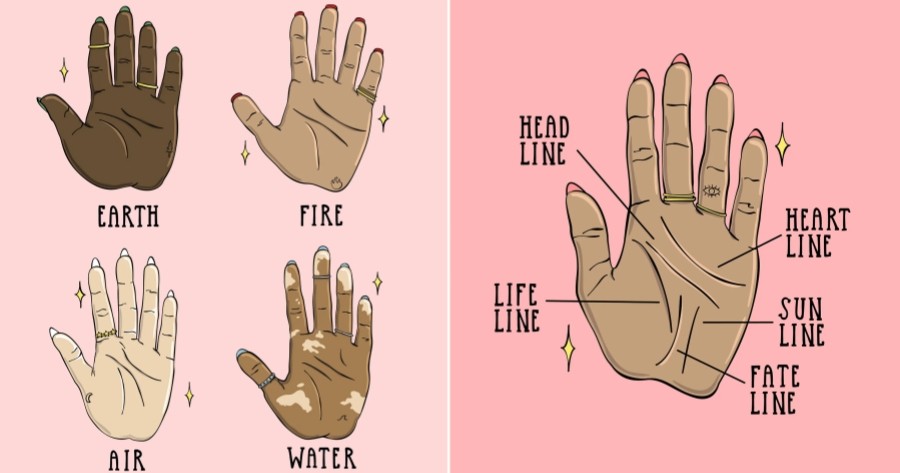
How To Read Palms Like A Pro: 5-Minute To Decode Your Life!

How To Explore And Thrive In 99 Nights In The Forest New Map

Cats And Emotional Well-being: How They Shape Our Lives!